
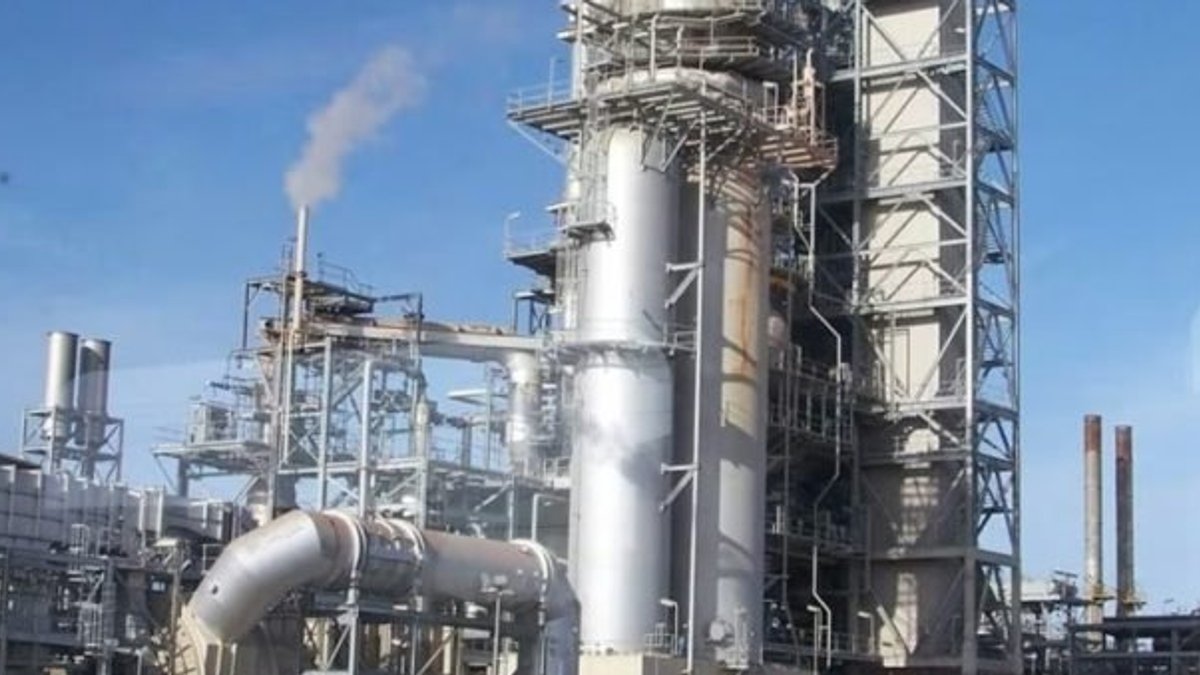
A Kenyan court has cleared the way for African billionaire Aliko Dangote’s $16 billion oil refinery project in Lamu, lifting an interim restriction order. Judge Jane Onyango of the Malindi High Court issued the ruling, allowing construction to proceed while legal challenges from local residents and the Consumers Federation of Kenya (COFEK) continue over land rights and environmental concerns.
The case was brought by 133 local residents and farmers from Chandavai, who raised concerns over ancestral land rights, compensation, resettlement, and environmental impacts in the Lamu archipelago. The planned facility is designed to process 700,000 barrels of crude oil per day, with a target completion date around 2030, aiming to reduce East Africa’s reliance on imported fuel.
The Consumers Federation of Kenya (COFEK) filed a separate petition with the Kenya Public Private Partnerships (PPP) Petition Committee, challenging the project on regulatory grounds. COFEK is demanding details on the tenure and valuation of the 7,000 acres earmarked for the project, seeking clarity on whether this public land is part of Kenya’s KSh 65 billion equity contribution or an additional state subsidy.
COFEK’s challenge centers on what it views as a severe lack of transparency, regulatory compliance, and fiscal risk management surrounding the $16 billion project. The group has asked the committee to force authorities to reveal the specific acquisition vehicle and share class being used, as well as the exact funding sources and payment schedules.
In response to regulatory concerns, the Kenyan government defended the project before parliament. Petroleum Principal Secretary Mohamed Liban Harsama asserted that no special concessions or crude oil supply guarantees have been granted to Dangote, and that the investor is negotiating commercial terms independently.
President William Ruto defended the confidentiality of the early stages, stating that Kenya’s 10% equity stake would be formally managed through the country’s National Infrastructure Fund (NIF) using public assets, including state-allocated land. He directed critics to audit the frameworks through Parliament.
Substantive hearings and further directions regarding the land ownership and environmental compliance claims remain ongoing. The Kenyan government’s defense of the project and the court‘s ruling have paved the way for the refinery’s construction to begin, with the goal of reducing East Africa’s reliance on imported fuel.


