
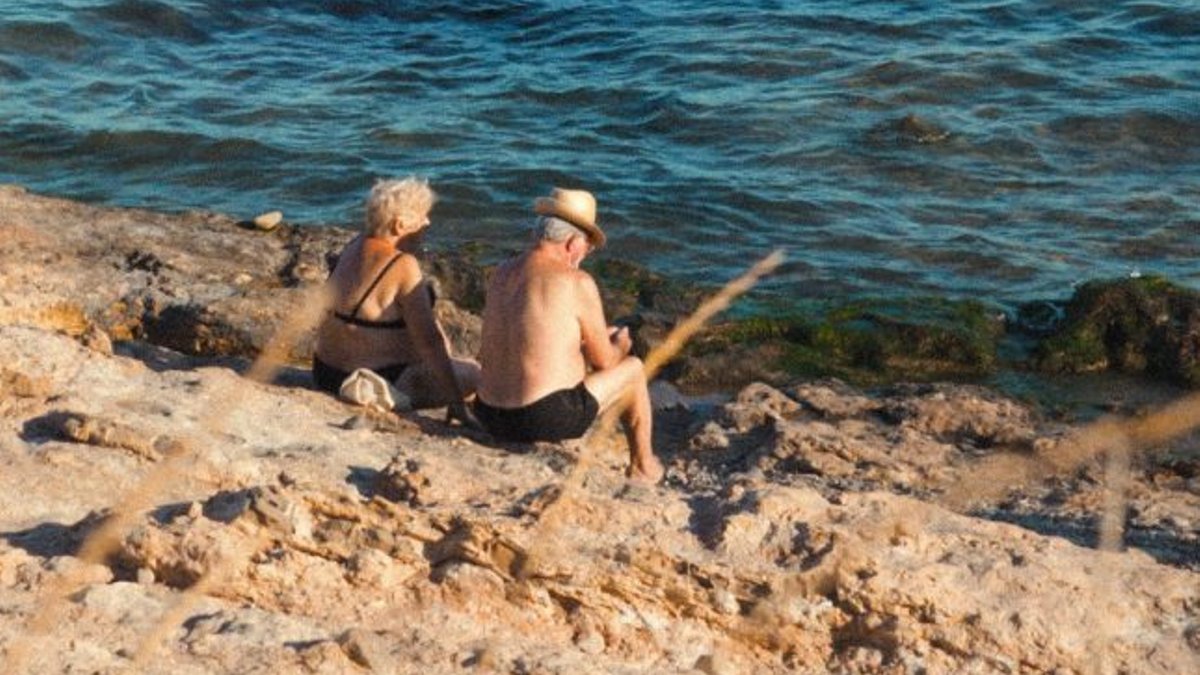
Croatian men’s average lifespan falls nearly six years short of women’s, the latest figures from the Croatian Bureau of Statistics (DZS) indicate. In 2025, male life expectancy reached 76.4 years, while women lived to an average of 82.3 years.
The country had approximately 1.89 million men and 1.98 million women in mid-2025, despite more boys being born than girls. A total of 16,659 boys and 15,820 girls were born in 2025, meaning approximately 105 boys were born for every 100 girls.
Boys accounted for 51.4% of primary school pupils at the beginning of the 2025/2026 school year, while young men also slightly outnumbered women among those completing secondary education in 2024/2025. However, the balance changes at university level, with 86,608 women and 60,999 men enrolled in higher education institutions across Croatia.
Men earn more than women, with an average monthly net salary of €1,586, compared with €1,514 for women. However, women are more numerous among pensioners, with 658,575 female pensioners and 570,172 male pensioners in December 2025.
Despite their greater numbers, women received lower average pensions, with an average net monthly pension of €560.60, compared with €670.19 for men. Prostate cancer is one of the leading causes of death for men in Croatia, with 714 men dying from the disease in 2024.
The difference in life expectancy between men and women in Croatia is a significant finding. It points to the need for targeted efforts to address health risks affecting men. This is particularly relevant during the international Movember campaign, which raises awareness of men’s health, particularly prostate cancer, testicular cancer, and mental health.
The Croatian Bureau of Statistics’ data provides a detailed look at the demographics and health trends in Croatia. The agency’s findings can inform efforts to improve men’s health and reduce the gap in life expectancy between men and women. By examining the factors that contribute to this gap, it is possible to develop targeted strategies to address the unique health challenges faced by men in Croatia.


