
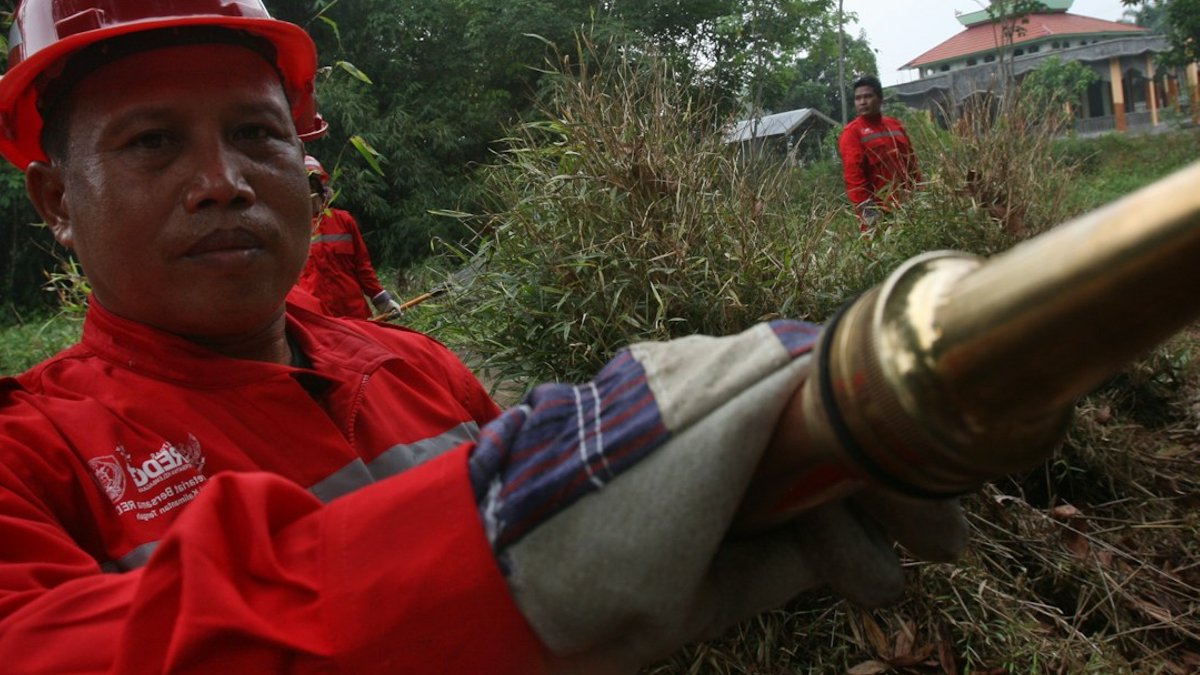
Indonesia is experiencing one of the most severe haze crises in its history, with air pollution levels reaching extreme danger zones across vast sections of the country. The main driver is an intense El Niño event that has transformed dry seasons into prolonged droughts, leaving forests and drained peatlands exceptionally vulnerable to fires. Smoke from hundreds of active blazes has sent particulate matter (PM2.5) concentrations soaring to over 500 micrograms per cubic meter in affected areas—far beyond the World Health Organization’s safe threshold of 15 micrograms and into levels the U.S. Environmental Protection Agency categorizes as hazardous.
The health risks from this pollution are immediate and severe, increasing the likelihood of heart attacks, strokes, and respiratory diseases. The haze has also spread beyond Indonesia’s borders, impacting Malaysia, southern Thailand, and Singapore. This crisis has laid bare a long-standing environmental problem: decades of peatland drainage for agricultural expansion have left these carbon-rich ecosystems highly susceptible to fires.
Peat fires are particularly damaging because they often burn underground for weeks or months, releasing carbon that has been stored for centuries. This year alone, Indonesia’s fires have released an estimated 175 million tonnes of carbon, equivalent to three-quarters of the country’s annual fossil-fuel CO₂ emissions and exceeding the combined yearly emissions of the UK and France. Unlike surface fires, peat fires frequently leave land that cannot easily reabsorb the released carbon, worsening long-term climate effects.
Read Also: Rich nations miss biodiversity funding targets
The current situation follows years of progress in reducing fire incidents, partly through efforts to rewet drained peatlands and improve fire management. However, the severity of the 2026 El Niño has reversed much of that advancement. Satellite observations have recorded over 120,000 fire hotspots in Indonesia this year—seven times the number detected in 2025 but still below the devastating totals seen in 2015. The difficulty in detecting smoldering peat fires, which satellites often miss, suggests the actual number of fires may be significantly higher.
While improved detection methods could help authorities respond more quickly, the core solution remains restoring degraded peatlands. A new national peatland and mangrove management agency is being established with this remit. For now, the immediate task is addressing underground peat fires, which are notoriously hard to extinguish once ignited. With El Niño expected to intensify before easing, the crisis will likely continue until year’s end. Long-term prevention demands consistent efforts to protect and rewet peatlands, reducing their susceptibility to future fires.
Peatland fires worsen climate damage
The pattern of past regional crises shows that temporary fire suppression measures rarely succeed without addressing the underlying land-use changes. The 2015 fires, for instance, also followed an El Niño event and showed how drained peatlands worsen fire risks. Without stronger safeguards for these ecosystems, similar disasters could repeat, further degrading air quality and accelerating climate change.
Millions across Southeast Asia now face weeks of hazardous air conditions, with no near-term relief expected. The economic and health consequences will be substantial, but the greater challenge is ensuring future droughts do not produce the same level of devastation. The time to act is limited: restoring peatlands must take priority before the next El Niño arrives.
Read Also: Bangkok’s $4.9B Flood Plan Focuses on Nature-Based Solutions
Local communities, many of whom rely on peatland resources for livelihoods, face a difficult balancing act. Some traditional practices, such as rotational burning for land clearing, have contributed to fire risks, though these are often small-scale compared to industrial-scale drainage for palm oil and timber plantations. Indigenous groups have called for greater inclusion in restoration efforts, arguing that their knowledge of sustainable land management could improve outcomes. The government has begun consulting with these communities, but policy changes have lagged behind the urgency of the crisis.
Health crisis deepens as haze spreads
Air quality monitoring stations in Jakarta, Palembang, and Medan have recorded PM2.5 levels exceeding 400 micrograms per cubic meter for over 10 consecutive days, triggering nationwide health alerts. Hospitals in affected regions report a surge in patients with asthma, bronchitis, and cardiovascular complications. Schools in several cities have suspended outdoor activities, and sports events have been canceled or postponed.
Environmental groups have welcomed the measure but warn that enforcement remains weak. Satellite data shows that illegal clearing and drainage continue in some regions, particularly in Sumatra and Borneo.


