
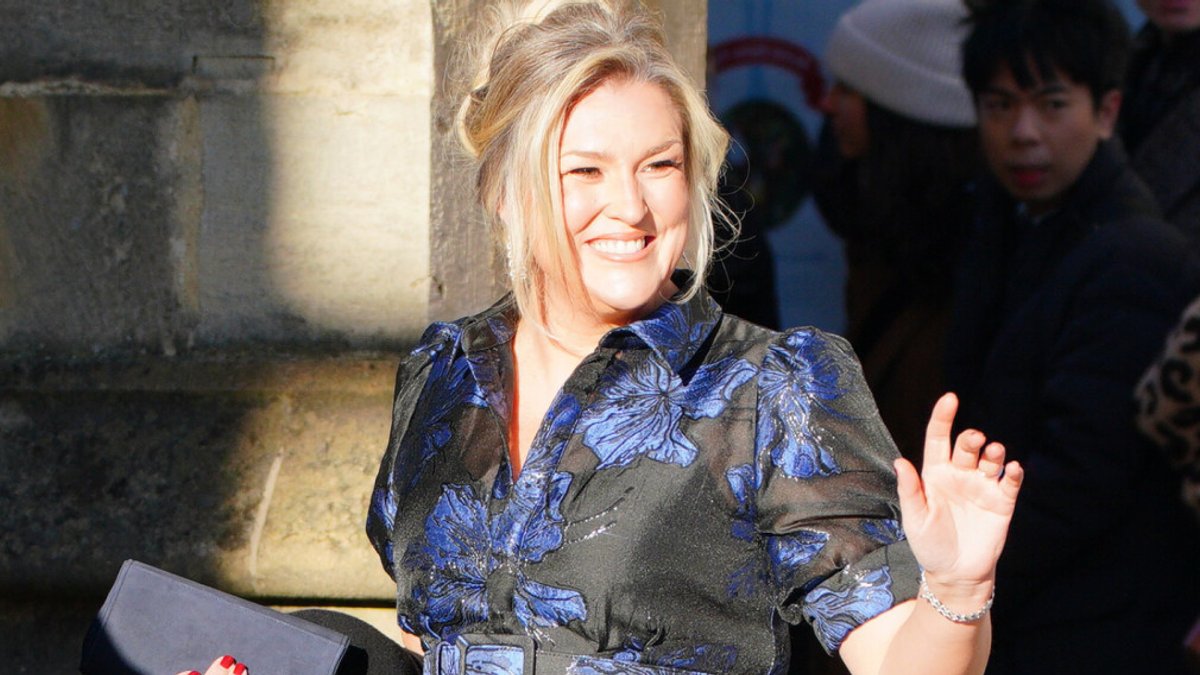
Sara Davies has taken a stake in Not On The High Street and is steering the platform away from mass-produced goods. The Dragons’ Den star, who hails from County Durham, joined the online marketplace as a non-executive director and equity investor, though the specific value of the transaction remains undisclosed.
A focus on British-made items
The celebrity investor said the site would no longer stock items she described as “cheap tat.” Instead, the platform is shifting focus toward British-made artisan gifts and personalised products. According to the report, the business is actively vetting its sellers to ensure they meet these higher standards.
“This is not where you will find all that mass-produced, cheap rubbish,” Davies stated during the announcement. She noted that the company is no longer trying to compete with Chinese online marketplaces such as Shein and Temu. Instead, the platform aims to serve a different segment of the market.
“People in the UK are really rebelling against this fast-fashion culture,” she continued. “They are being more thoughtful and considered in what they’re buying, so they’re not wanting to buy the cheap tat.” Davies explained that while some customers shop on budget platforms due to the current economic climate, others are seeking quality and craftsmanship.
The 20-year-old business, which is based in Bristol, currently lists around 4000 sellers and offers a range of approximately 350,000 products. These include jewellery, clothing, food, and home and garden furnishings.
Related: Real Estate Veteran Celebrates Four Decades in Business
Using AI to filter products
The move comes as the company, now owned by German private equity firm Executive Equity Partners, seeks to return to profitability. New chief executive Pascal Schuster has been hired to lead this turnaround, which includes a restructuring to reduce costs.
Sales have declined significantly since the peak of the pandemic online shopping boom. Total transaction value for the year ending March 2025 stood at £84.2 million, compared to £230.2 million in the year ending March 2021. Schuster acknowledged that expanding the inventory previously was a misstep.
“One of the major missteps in the past was the thought that more products on the site might be better for the customer and ultimately the revenues,” he said. The company is now implementing artificial intelligence to remove listings that appear on competing sites.
If a product matches items found on Temu or Shein, the platform sends a warning to the seller. If the seller cannot prove the product’s origin, they face de-listing. The strategy reflects a broader shift in consumer behavior toward supporting local artisans rather than purchasing disposable goods.


